Bordeaux Glass
Tall bowl for Cabernet Sauvignon, Merlot, Malbec and other full-bodied reds.
Service, glassware, styles, temperatures and pour guidance for bartenders.
Explore still, sparkling, sweet and fortified styles. Each profile includes service guidance for bartenders.
House standards vary. These are common U.S. restaurant and bar reference pours, not universal legal requirements.
| Style | Common Pour | Notes |
|---|---|---|
| Red, white & rosé | 5 oz / 150 ml | A 750 ml bottle yields about five 5 oz pours. |
| Champagne & sparkling | 4–5 oz / 120–150 ml | Pour in stages to control foam. |
| Dessert wine | 2–3 oz / 60–90 ml | Smaller due to sweetness and concentration. |
| Port & Sherry | 2–3 oz / 60–90 ml | Follow the venue’s spec and glass size. |
| Tasting pour | 1.5–2 oz / 45–60 ml | Used for flights and sampling. |
Always follow your establishment’s written standard, local alcohol rules and responsible-service procedures.
Glass shape affects temperature, aroma and room for swirling; a clean universal wine glass is always preferable to an unsuitable specialty glass.
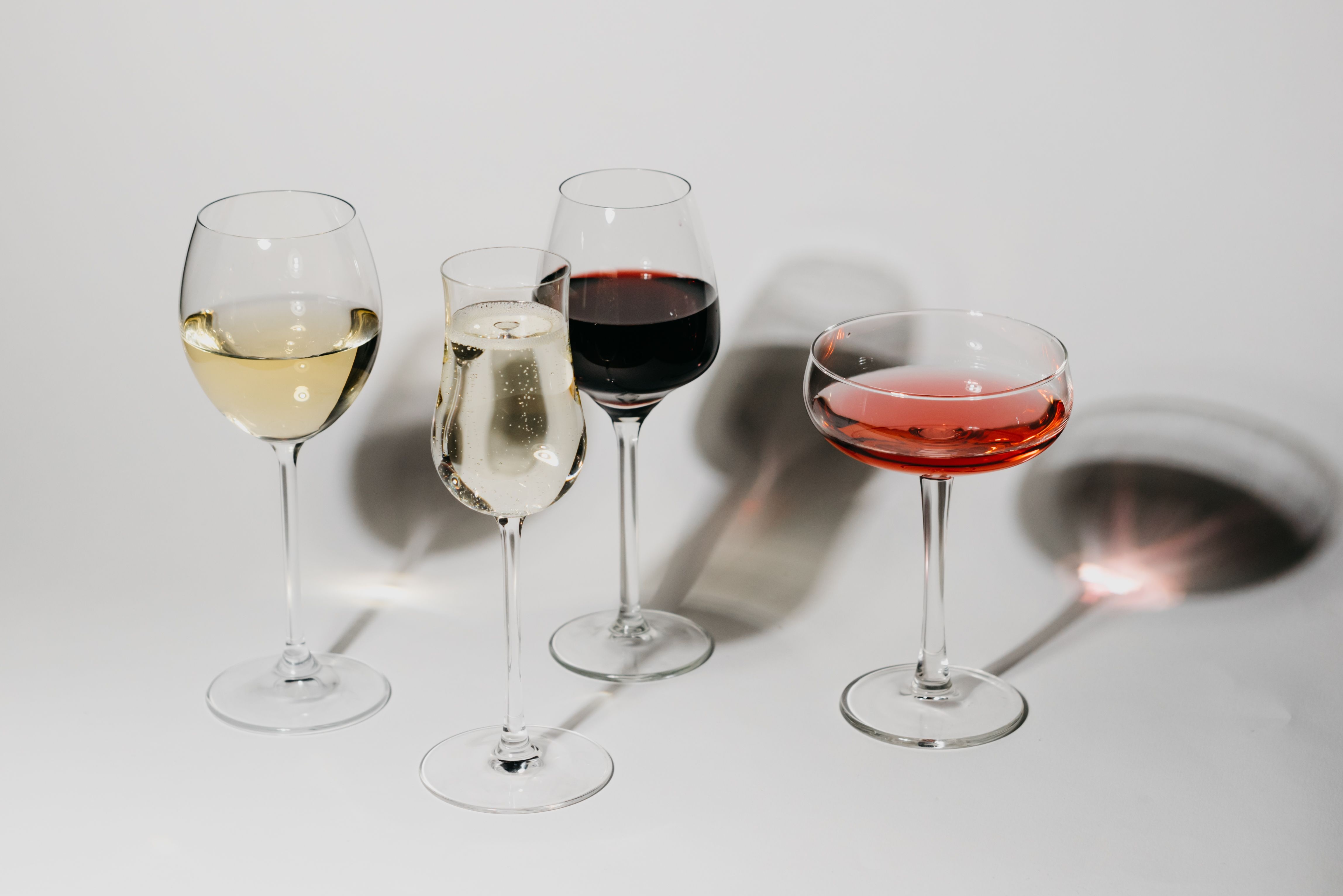
Tall bowl for Cabernet Sauvignon, Merlot, Malbec and other full-bodied reds.
Wide bowl for aromatic reds such as Pinot Noir and lighter, expressive styles.
Smaller bowl that helps preserve freshness and a cooler serving temperature.
Narrow shape that slows bubble loss and creates a formal presentation.
A gently wider bowl that supports both aroma and carbonation.
Open any card for origin, tasting notes, service temperature, glassware and pour guidance.