Water
The largest ingredient by volume. Mineral content influences mouthfeel, bitterness and regional character.

Everything a bartender should know about beer styles, service and draft systems.
The largest ingredient by volume. Mineral content influences mouthfeel, bitterness and regional character.
Malted grain provides fermentable sugar, color and flavors from bread and biscuit to caramel and roast.
Hops add bitterness, aroma and flavor, ranging from floral and herbal to citrus, pine and tropical fruit.
Yeast creates alcohol and carbonation while contributing fruity, spicy or neutral fermentation character.
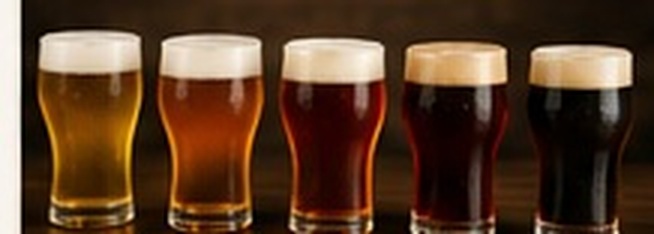
Recognize the major families, their flavors and service expectations.
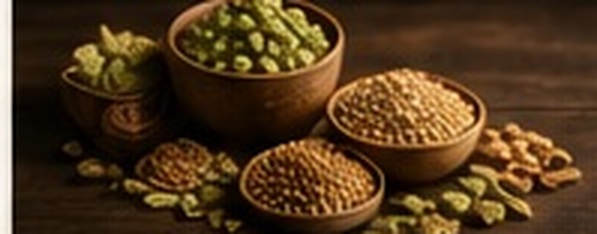
Understand mash, boil, fermentation, conditioning and packaging.
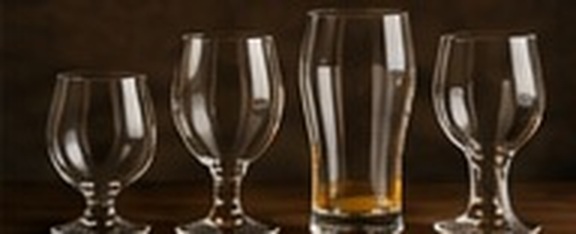
Match the glass to aroma, foam, carbonation and presentation.
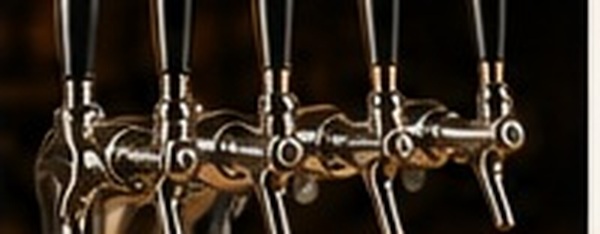
Learn kegs, gas, lines, temperature and troubleshooting basics.
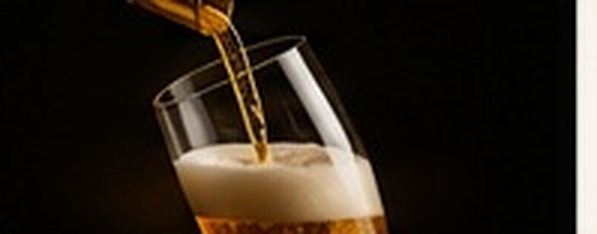
Pour draft, bottle, can and nitro beer with the right head.
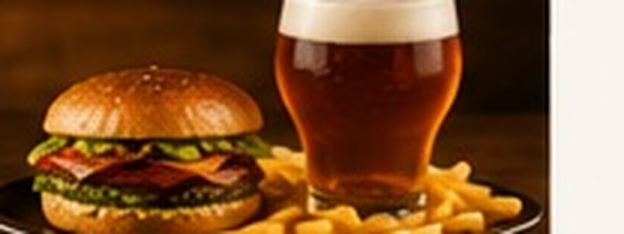
Use contrast, complement and intensity to recommend pairings.
| Fault | What it may taste or smell like | Likely cause |
|---|---|---|
| Skunked | Sharp, sulfurous or skunk-like | Light exposure, especially in clear or green glass |
| Oxidized | Cardboard, paper, stale sweetness | Age or oxygen exposure |
| Flat | Low carbonation, dull aroma | Poor seal, wrong pressure or old beer |
| Over-carbonated | Excess foam, prickly texture | Incorrect pressure, warm beer or agitation |
| Dirty lines | Sour, buttery, metallic or generally “off” | Inadequate draft-line cleaning |
| Dirty glass | Rapid foam collapse, bubbles clinging to the glass | Grease, detergent residue or poor rinsing |
Fried foods, seafood and salty snacks.
Spicy food, grilled meats and sharp cheese.
Seafood, salads, brunch and soft cheese.
BBQ, roasted meat and chocolate.
Oysters, stew, smoked food and desserts.
Goat cheese, fruit, rich food and charcuterie.